


Eco Friendly Reusable Bags That Build Your Brand
The Bag That Speaks for You and the Planet
A branded reusable bag does double duty: it carries groceries or gym gear while carrying your logo into the world. Every time a customer reaches for it, the bag becomes a mobile advertisement and a visible pledge to the environment. That combination turns a simple giveaway into a lasting brand impression.
Custom eco-friendly bags pair practical marketing with real environmental impact. They build brand recognition each time they're used while helping to cut down on single-use plastic waste. The payoffs spread across three areas: long-term brand exposure, stronger customer loyalty, and a measurable contribution to a healthier planet.
Whether you're looking to stand out at a trade show, reward employees, or offer a sustainable shopping bag to retail customers, the right reusable bag delivers repeated visibility and aligns your brand with the values that matter to eco-conscious consumers.
Why Reusable Bags Outperform Disposable Ads
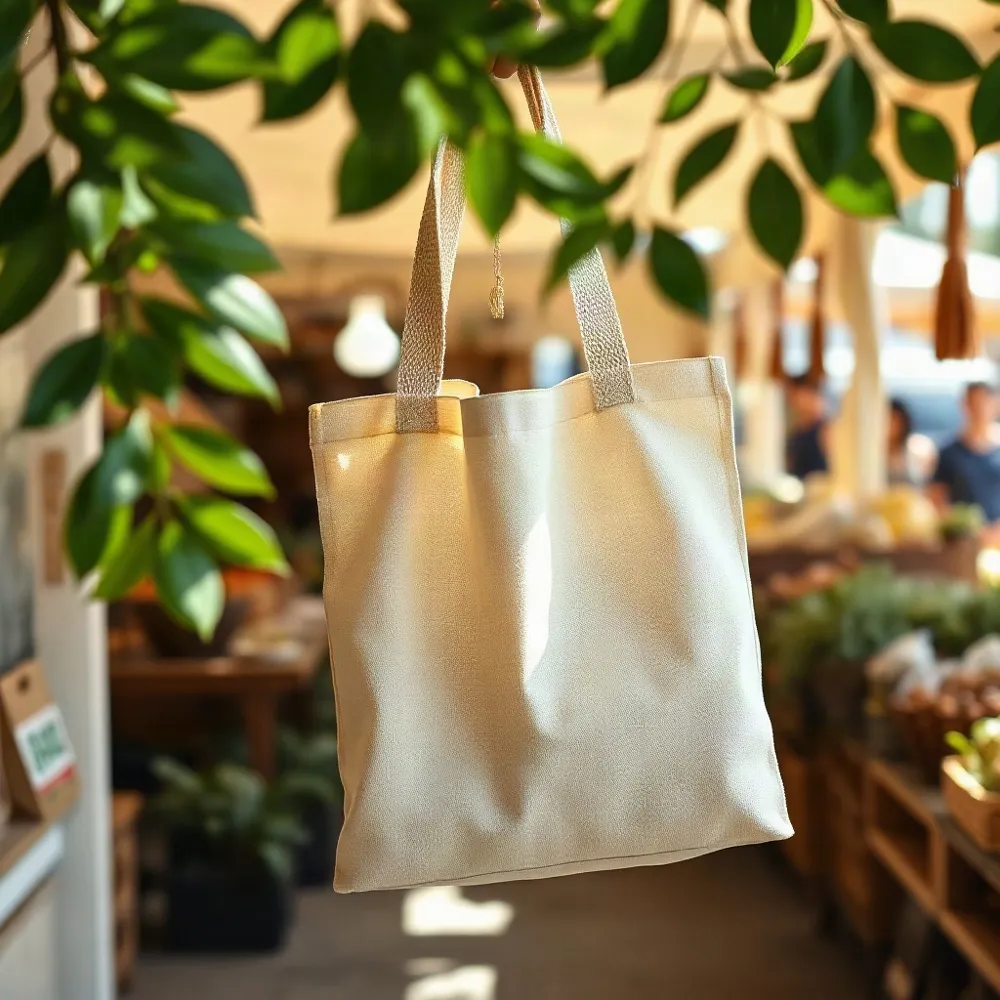
A single-use plastic bag carries your logo for a trip or two before it is thrown away. A reusable bag, on the other hand, keeps working as a mobile billboard. According to the Advertising Specialty Institute, a reusable bag averages 1,940 ad impressions over its lifetime. That is thousands of free views from a single promotional item.
The gap widens when you compare impact. Reusable bags can generate 500% more impressions than single-use plastic bags, and one reusable tote can replace around 700 plastic bags. Every trip to the grocery store, the gym, or the commute becomes a brand moment, turning the user into a walking ambassador for your business.
Consumer expectations are shifting. 80% of consumers expect companies to help improve the environment, and 66% are willing to pay more for eco-friendly products. A well-designed bag made from cotton or jute aligns your brand with these values and becomes part of someone's daily routine.
Some of the world's most recognisable brands have already made reusable bags a signature part of their identity. Think of IKEA's bright blue Frakta bag, a durable, simple design that is instantly associated with the brand. Local retailers like Trader Joe's have similarly made their reusable totes a core part of their branding, turning customers into loyal fans who carry the logo everywhere.
The practical benefit is clear. A reusable bag is not just a giveaway — it is a long-term investment in brand visibility that outperforms disposable advertising at a fraction of the cost.
Natural Fibers vs. Recycled Synthetics

Choosing the material for your branded bag is the most important decision you will make. The right material affects durability, cost, and how your brand is perceived. The two main categories are natural woven fibers and recycled or synthetic materials, each with distinct advantages.
Natural Woven Fibers
Cotton and canvas are popular choices because they are machine washable and designed to last for years. A high-GSM cotton bag, such as one made from 135 GSM pure cotton, offers a sturdy feel that holds up to daily use. These materials are strong, breathable, and fully biodegradable, making them a reliable choice for brands that prioritize natural origins.
Jute is another standout natural fiber. It is 100% biodegradable and carbon-neutral, and it is strong enough to handle heavy grocery loads without tearing. For a more refined look, a jute-cotton blend (juco) combines jute's durability with a smoother finish, making it suitable for retail branding and everyday fashion.
Hemp is one of the strongest natural fibers available, measuring several times stronger than cotton. It is soft to the touch and highly durable, though it can be more expensive and less readily available than other options.
Recycled and Synthetic Options
Non-woven polypropylene (NWPP) is a low-cost material that is water-resistant, recyclable, and reusable for up to 6 months. It is a practical choice for mass distributions and event giveaways where budget is a primary concern.
Recycled PET (RPET) is made from recycled plastic bottles. Recycling 10,000 PET bottles can produce up to 1,000 high-quality RPET bags, supporting a circular economy by giving waste a second life. RPET bags tell a clear sustainability story without compromising on strength or utility.
Cork offers a premium feel with natural water-resistance and lightweight properties. It suits high-end corporate gifts where a unique texture and upscale presentation matter more than volume.
How to Choose Without Falling for Greenwashing
To be sure your gift is genuinely sustainable, look for clear details about material sourcing and third-party certifications. Avoid vague terms like 'eco-friendly' without evidence. The Green Chapter backs its claims with 100% biodegradable and plantable products, honest sourcing, and zero-waste packaging. When a company openly shares its full lifecycle story and even notes where it is improving, you know sustainability is more than a label.
| Material | Best For | Key Traits |
|---|---|---|
| Cotton / Canvas | Daily carry, branding | Washable, durable, biodegradable |
| Jute / Juco | Heavy loads, retail | Carbon-neutral, strong, refined finish |
| Hemp | Premium durability | Stronger than cotton, soft, eco-friendly |
| NWPP | Budget events, mass use | Low-cost, water-resistant, 6-month reuse |
| RPET | Circular economy story | From plastic bottles, strong, recyclable |
| Cork | Premium gifts | Water-resistant, lightweight, unique feel |
Printing and Customization Options for Your Logo
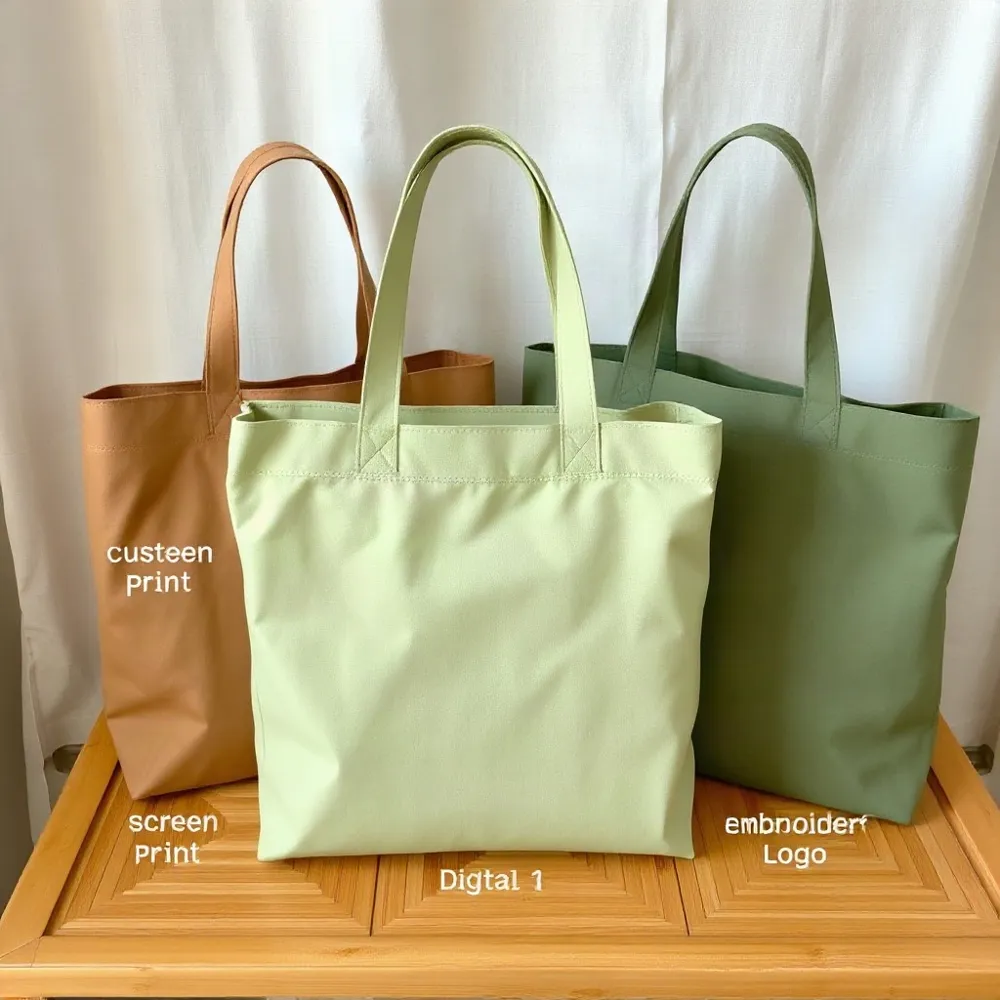
A branded bag is a canvas for your message, and the method you choose to print it matters. Each technique offers a different balance of cost, durability, and visual impact.
Printing Techniques at a Glance
Screen printing is the workhorse of bag customization. It works on most materials, handles simple bold artwork beautifully, and becomes very affordable in large volumes. For smaller runs or designs that require full-color logos, gradients, and fine detail,digital printing is the better choice. It delivers vibrant, intricate results, though it may not last as long on synthetic fabrics.
When you want a premium, textured finish, embroidery adds a tactile luxury that elevates a simple tote into a gift. It works best with simple, bold shapes.Puff embroidery takes this a step further by raising the stitching off the fabric, creating a three-dimensional effect that stands out on drawstring bags or backpacks.
Colors, Features, and Sourcing Partners
Beyond print, you can customize with practical features like zippers, inside pockets, reinforced handles, or drawstring closures. Natural fabric shades are popular, but you can also choose from colors like black, grey, maroon, lime green, and royal blue to match your brand palette.
Working with the right supplier ensures your vision comes to life. No Plastic Shop offers in-house manufacturing with pan-India shipping and bulk packs starting at 100 bags. Ecoduka provides low minimum order quantities from just 25 units and global certifications. The Green Chapter goes further by offering co-branded eco kits that pair printed reusable bags with other sustainable items like seed paper pencils and bamboo accessories, creating a cohesive gift that reinforces your brand's green commitment.
| Print Method | Best For | Limitations |
|---|---|---|
| Screen printing | Large volumes, simple bold artwork, most materials | Not cost-effective for small runs or complex designs |
| Digital printing | Small runs, full-color logos, intricate detail | Less durable on synthetics; may fade over time |
| Embroidery | Premium look, blocky text, simple shapes | Not suitable for very intricate designs or fine detail |
| Puff embroidery | Three-dimensional raised branding on bags | Best with simple blocky letters or shapes |
Proven Strategies to Boost Brand Loyalty
Reusable bags are more than a giveaway; they are a tool for building lasting customer relationships. Distributing them at trade shows, community events, or as online promotional items provides repeated brand exposure at a low cost, often generating 500% more impressions than single-use bags.
Businesses that encourage reuse see a direct return. Offering discounts to customers who bring back and reuse their branded shopping bags encourages repeat business and reinforces a company's eco-friendly message. Featuring bags as rewards in a customer loyalty program shows appreciation while promoting sustainability.
The impact extends to packaging and partnerships. Using branded reusable bags in product packaging or featuring them in an online store adds value to the purchase and extends the brand's reach after delivery. Donating bags to local causes or charities builds trust and humanizes the business. Social media photo contests, where customers share pictures of themselves using the bags, generate buzz and user-generated content. Partnering with influencers and environmental organizations adds credibility and connects the brand with eco-conscious audiences.
Customizing bags for special events, holidays, or company anniversaries creates exclusivity and turns them into conversation starters. Research indicates that 26% of consumers would be more likely to do business with a company that gave them a logoed bag. Additionally, businesses that switch to reusable bags often report 30 to 40 percent annual savings on packaging costs.
Every time a customer carries a bag from The Green Chapter, they become an ambassador for both the brand and the planet. By choosing high-quality, eco-friendly materials, businesses ensure these gifts are kept and used for years.
Choosing the Right Size and Style
The right reusable bag balances practicality with brand visibility. Small bags (around 8x10 inches) work well for cosmetics, jewellery, and lightweight items. Medium sizes (11x12 inches) fit clothing, shoes, and books. Large bags (15x15 inches or more) handle laptops, heavy grocery loads, and larger purchases.
Bag Styles for Every Purpose
Tote bags. Sturdy and classic, totes offer ample room for everything from groceries to books, making them one of the most versatile options for brand logos.Drawstring bags. These provide easy closure to prevent items from falling out, making them excellent for gym use and promotional giveaways.Foldable bags. Designed with creases for compact storage, foldable bags are a perfect everyday alternative to single-use plastic bags.Insulated and cooler bags. Thermally insulating materials help maintain the temperature of foods and beverages, ideal for grocery outings or event giveaways.
Durability and Handle Strength
Handle length and reinforcement matter more than most buyers realize — weak handles on a heavy load lead to breakage and a poor brand impression. Choose 10 oz canvas for frequent, heavy use or 200 GSM calico for lighter everyday carry. Square bottom bags and D-cut bags offer added stability and a structured look, while zipper bags and box styles provide extra security and a premium feel.
One Bag, Many Uses
The most sustainable bag is the one that gets used. Selecting multi-purpose designs that work for grocery runs, gym sessions, beach trips, and laptop carrying replaces many single-use items with one reliable companion. The Green Chapter offers a curated selection of eco-friendly totes in various sizes and styles, helping businesses choose the right fit for their audience. For bulk buyers, suppliers like No Plastic Shop provide detailed bag size guides and pack guides that simplify the decision by tying budget, quantity, and intended use together.
Certifications That Build Trust
When a bag carries a recognized certification, it offers something a marketing claim cannot: independent proof. Certifications like GOTS (Global Organic Textile Standard), GRS (Global Recycled Standard), and OEKO-TEX Standard 100 test everything from organic fiber content to the absence of harmful substances, giving buyers concrete assurance against greenwashing.
Fairtrade certification ensures fair wages and ethical working conditions for the people who make the bag. SEDEX audits cover both ethical conditions and minimal environmental impact during production. The Biomaster certification adds antimicrobial protection, a practical benefit for bags that see daily use. Labels such as these transform a reusable bag from a simple product into a verifiably sustainable choice.
The company behind The Green Chapter builds on this foundation with its own commitments: 100% sustainable and biodegradable packaging, plantable components that grow after use, and zero-waste sourcing. By pairing recognized third-party certifications with its own materials policy, the brand gives corporate buyers the documentation they need for ESG reporting and the confidence that their logo appears on something genuinely green.
Real-World Brand Success Stories
Some of the world's most recognizable brands have turned reusable bags into a signature part of their identity. IKEA's Frakta bag, with its bright blue fabric and yellow zippers, is huge, durable, and recyclable, making it an instant visual cue for the brand. Trader Joe's has done the same, using reusable shopping bags to signal its commitment to reducing plastic waste. These bags don't just carry groceries; they carry the brand's values into millions of homes.
Smaller brands have also seen remarkable results. Baggu, a company focused on reusable bags, saw a 50% increase in sales after launching a visually stunning line that customers love to carry. Similarly, No Plastic Shop, a sustainable bag supplier, has been trusted by over 325,000 orders and has helped replace over 6,000,000 plastic bags. Ecoduka, the UK's leading supplier of reusable bags, stocks over 3,000,000 bags and has been in the business since 2003, demonstrating the enduring demand for sustainable alternatives.
This growing preference is backed by research: 73% of global consumers prefer to purchase from brands committed to sustainability. Companies with strong sustainability practices see a 10-15% increase in customer loyalty. Even community workshops are gaining traction. In 2023, a workshop in San Francisco attracted over 200 participants, showing that the interest in sustainability is not just a trend but a lasting movement.
For businesses looking to follow this path, The Green Chapter offers a range of eco-friendly promotional gifts, including reusable bags that can be customized to align with your brand's values. By choosing sustainable options, you join a growing community of brands that are building loyalty while making a positive impact on the planet.
Navigating Budgets and Minimum Quantities
Budget-friendly options make reusable bags accessible to businesses of any size. No Plastic Shop offers a dedicated budget category with bags under ₹50, making them ideal for events, NGOs, and mass distribution. Plain stock bags can be ordered from just 1 unit, while custom printed bags typically start from 25 to 50 units, depending on the supplier.
Tiered pricing is standard: the more bags you order, the lower the unit cost. Wholesale packs of 100 or 500 bags are available, with bulk orders unlocking the best value. Non-woven polypropylene is the most economical material choice, while paper bags offer a compostable alternative at a slightly higher price point.
Free visual proofs are provided before production, so you can approve the design with confidence. Standard lead times for plain stock are 1 to 3 working days; custom printed orders typically dispatch within 5 to 10 working days of proof approval. Rush options, including 3-day or 24-hour turnaround, are available with a surcharge.
Businesses that switch to reusable bags have reported saving 30 to 40 percent annually on packaging costs. A durable reusable bag delivers months or years of visibility, offering a much lower cost per impression than a disposable ad. The Green Chapter provides free eco‑conscious shipping across India on orders over ₹1000, making it easy to stock up without extra logistics costs. Their selection of high quality eco friendly totes offers practical options for any budget.
Making Reusable Bags Part of Daily Life
The best reusable bag in the world is the one you remember to bring along. A simple solution is known as the "Car & Door" rule: keep your bags in the car trunk and by the front door so you always grab one on your way out. This small habit ensures you always have a bag ready, so you can avoid plastic every time.
It's easy to form new habits with a little planning. Research shows that 75% of consumers forget their reusable bags at least once a month. Business can help by offering discounts of 10% or more to customers who bring their own bags, turning a forgotten habit into a rewarding one.
Choosing a multi-purpose design makes it easier to keep your bag handy. Look for bags that work for grocery shopping, the gym, a day at the beach, or carrying a laptop. A single reusable bag can replace around 700 plastic bags over its lifetime, making every use a small win for the planet.
Cotton, canvas, and non-woven reusable bags are machine washable and designed to last for years. Keep a spare in your bag or backpack for unplanned trips. The Green Chapter's bags are eco-friendly, washable, durable, and 100% plastic-free, so they fit right into your routine without compromise.
For those just getting started, plain stock bags can be bought from just one unit, making it easy for individuals and small businesses to join the movement without a large upfront commitment. The more you use them, the more natural the habit becomes.
Shipping and Availability Across India
A reusable bag program only works if the bags actually arrive on time and in good condition. Reliable shipping and clear availability make it easy for businesses across India to order eco-friendly gifts without logistical headaches.
The Green Chapter offers free eco-conscious shipping across India on orders over ₹1,000, ensuring your sustainable gifts arrive without extra cost. By partnering with carbon-neutral and low-impact carriers, every delivery helps reduce emissions, whether it is a single gift or a bulk corporate order. Each parcel is thoughtfully packed in biodegradable materials, so your gift stays green from checkout to doorstep. For smaller purchases under ₹1,000, reliable and affordable shipping options are available, all with the same planet-friendly packaging commitment.
New customers can use the code GREEN10 at checkout to get 10% off their first order. Simply apply the code in the discount field on the cart page before completing your payment. There is no minimum purchase required, so you can use it whether you are ordering a single plantable pencil or a full corporate gifting kit. If your order exceeds ₹1,000, you will also enjoy free eco-conscious shipping across India on top of your discount.
Transparent per-unit pricing tied to quantity means the more you order, the lower your unit cost, making bulk corporate orders especially cost-effective. With reliable pan-India distribution, you can trust that your branded bags will reach their destination promptly, reinforcing your brand's commitment to sustainability at every step.
Gift a Greener Future, One Bag at a Time
Choosing custom reusable eco-friendly bags is one of the smartest moves a brand can make. It slashes plastic waste, builds customer loyalty, and turns every errand into a brand impression. From organic cotton totes to recycled rPET shoppers, The Green Chapter’s range is built to deliver on all three fronts.
Ready to start? Explore the collection at thegreenchapter.store and use code GREEN10 for a welcome discount. Enjoy free shipping across India on orders over ₹1,000.
Every bag you give is a commitment to a cleaner planet, a stronger brand story, and a future where style and sustainability go hand in hand.
